R U S S I A 

The Russia’s segment brings the Caravan into the steppe and semi-desert belt where rangelands are shaped by extremes of climate and long-term land use, visiting Dagestan, Kalmykia and Astrakhan. It highlights applied science, monitoring and restoration practices that can strengthen productivity while protecting soils and biodiversity in pastoral landscapes, alongside interregional and cross-border knowledge exchange.
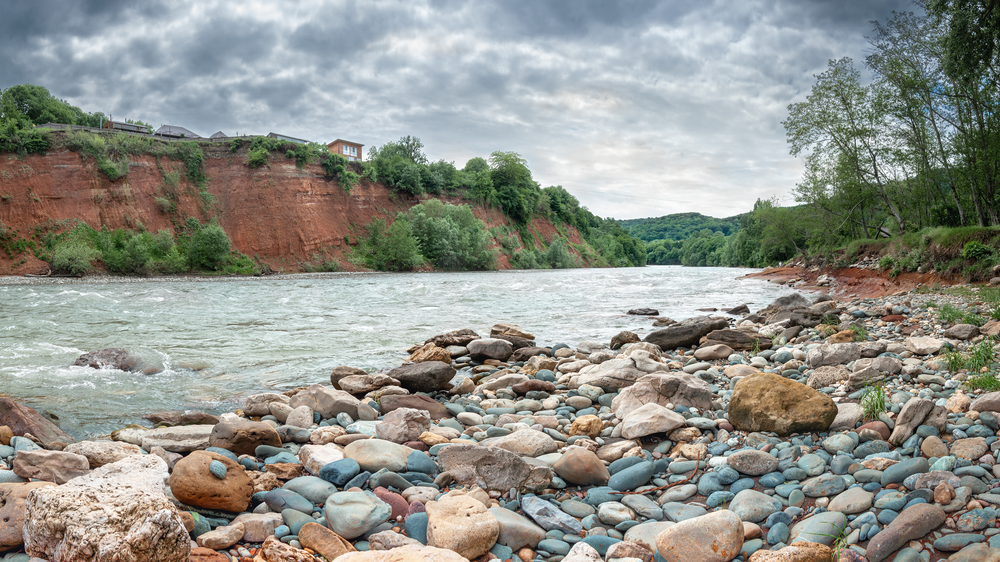
river
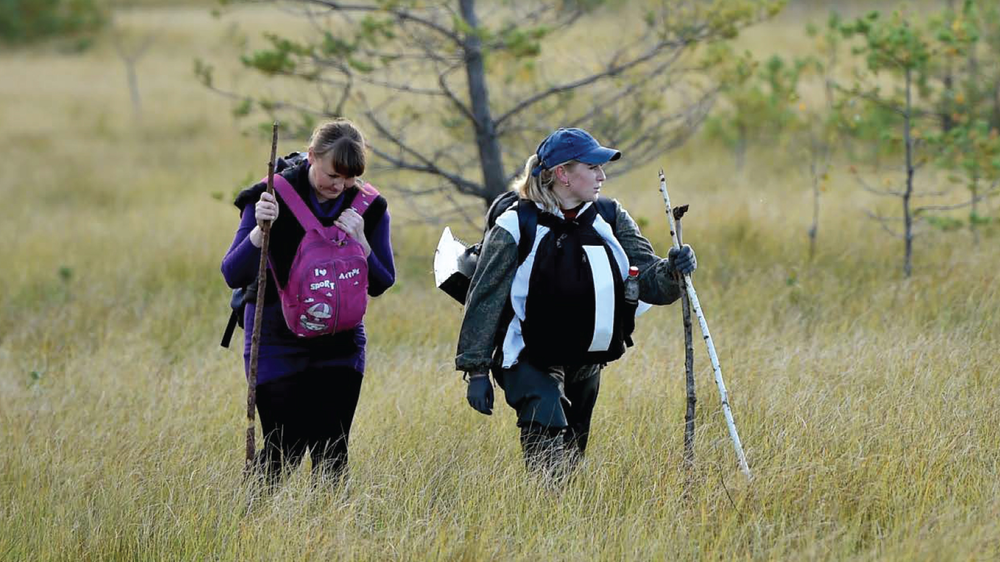
Russian people

During this part of the journey, the Silk Road theme becomes a story of continuity across grasslands, connecting regions, institutions and land users around shared challenges, such as drought risks, wind erosion and the need for resilient grazing systems. From Caspian shores and salt-tinged lowlands to open steppe, the programme focuses on solutions that can be replicated at scale, moving from pilots to durable outcomes.

The route crosses steppe and semi-desert landscapes that once formed northern corridors of the Silk Road, linking regions through movement across open grasslands and along river systems. Here, sheep, camels and the saiga belong to a terrain shaped by wind, water and vast seasonal rhythms, from Caspian-facing plains to river-fed lowlands. It is a journey through landscapes both rugged and storied, where travellers encounter big skies, lasting traditions and ancient routes carry the Caravan eastward.

leaf

Across Kalmykia, Dagestan and Astrakhan, the Caravan follows Caspian-facing drylands, highlighting restoration, monitoring and resilient grazing solutions for rangelands and semi-desert landscapes.