
From Dagestan’s mountains through the Kalmyk steppe,
I watch the evening settle under Astrakhan skies.
With songs carried over the open land,
I feel the miles fade away.
The Caravan moves on as each traveler carries
thoughts of their own and what they hold dear.
Through long miles of road and dust,
even in the desert, someone has a home.
So let us light our lamps and candles
when a familiar silhouette comes into view,
so we may understand: against desert and wind,
only love will endure.
— from a poem inspired by the Caravan’s journey through Russia
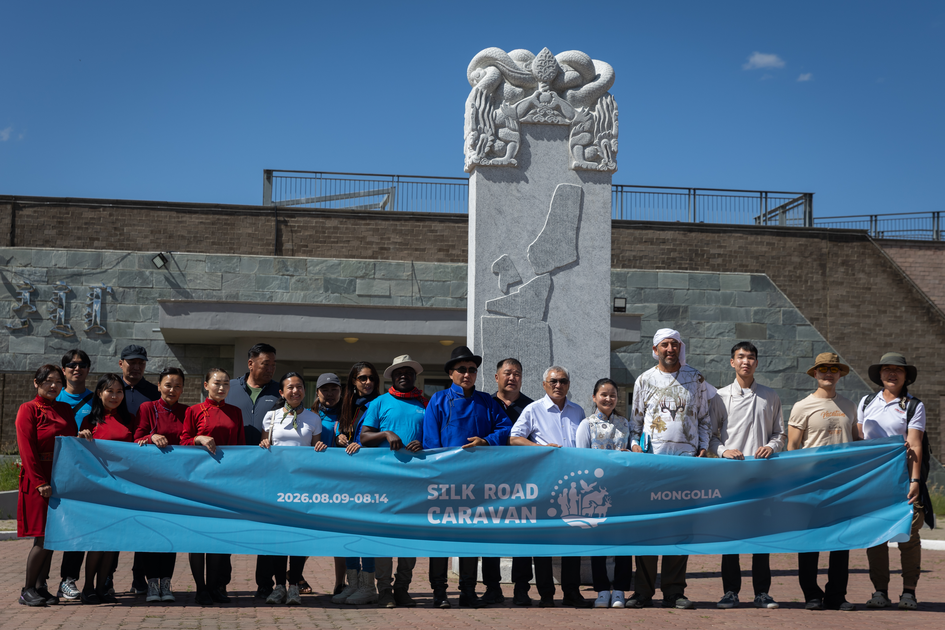
Throughout spring and summer 2026, the Silk Road Caravan travelled more than 8,000 kilometres across seven countries, bringing together people of 30 nationalities on a journey inspired by the Silk Road’s fabled history of carrying knowledge, experience, technologies and ideas across the continent. This Caravan travelled to where people call rangelands home, gathered their experiences and brought them to UNCCD COP17 in Ulaanbaatar in the International Year of Rangelands and Pastoralists 2026.
The significance of these landscapes extends far beyond the Caravan's route. Rangelands cover 54 per cent of the Earth's land surface, support around two billion people and are stewarded by some 500 million pastoralists.
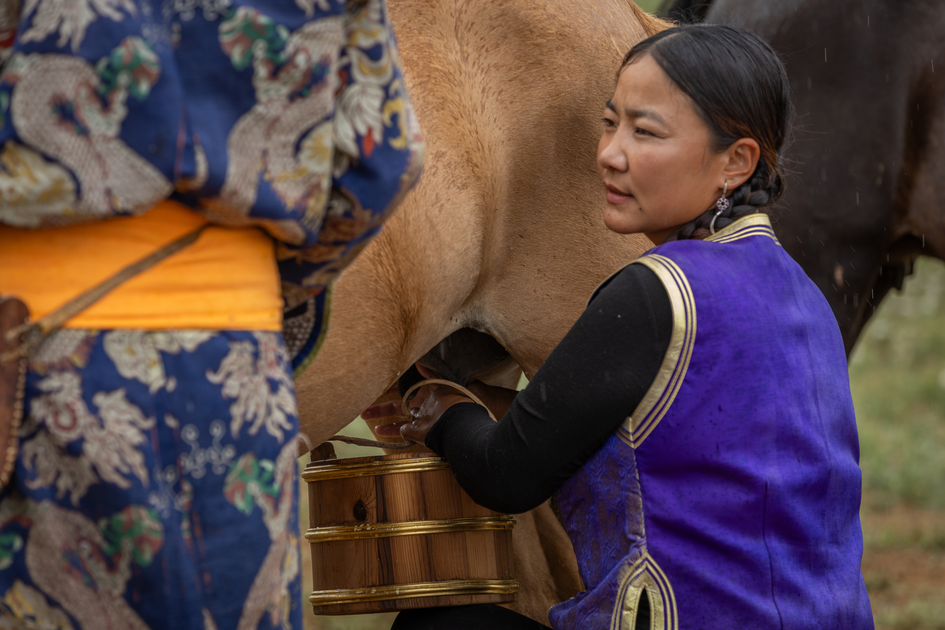
The Caravan’s cargo was immeasurable but precious: stories of struggle and recovery, knowledge accumulated over generations and solutions successfully tested on the ground. Together, they gave COP17 discussions on mobility, restoration, livelihoods and investment the grounding of lives shaped by rangelands. Across the route, one reality kept reasserting itself: the health of the land and the livelihoods built on it are inseparable.
And with each border crossed, another pattern emerged: while the most robust solutions grow from particular soils, climates and ways of life, the login behind them always travels well.
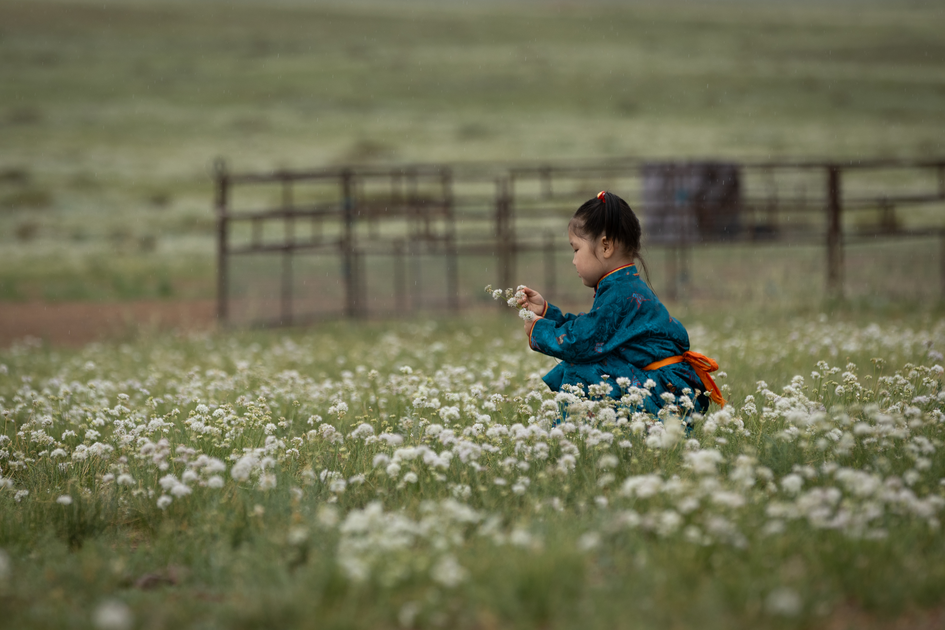
At Korgondu pasture in Kyrgyzstan, a community-built artificial glacier freezes water from a local spring through the winter, then releases it slowly as temperatures climb. With water available longer, livestock can remain at lower elevations into summer, giving the high jailoo precious weeks to grow, flower and set seed before the herds arrive. An artificial glacier will not suit every rangeland, but the principle behind it reaches far: using scarce water to shift grazing season gives the land’s health an extra boost to stay productive.
Thousands of kilometres farther east in China, the Caravan encountered the same pragmatism. In Inner Mongolia, willow grids slow shifting sand long enough for vegetation to establish. Restored areas are monitored, livestock numbers are matched to the land’s carrying capacity and pastoral families are finding more value in dairy products, better livestock and tourism rather than simply asking the grassland to support more animals.
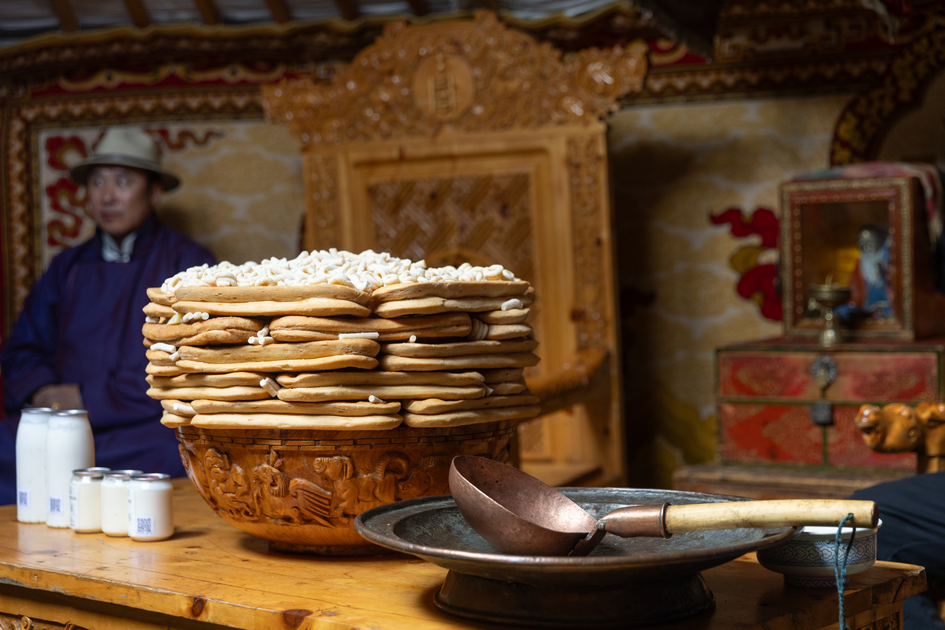
For UNCCD Goodwill Ambassador Ricky Kej, the lessons of the Caravan went beyond any particular restoration technique:
“There is a top-down approach through policy, legislation and government activity,” he said. “At the same time, there’s also a ground-up approach from people.”
The landscape is recovering because policy, science and local livelihoods were pulling in the same direction. That alignment — rather than the willow grid itself — is the approach that can work elsewhere.
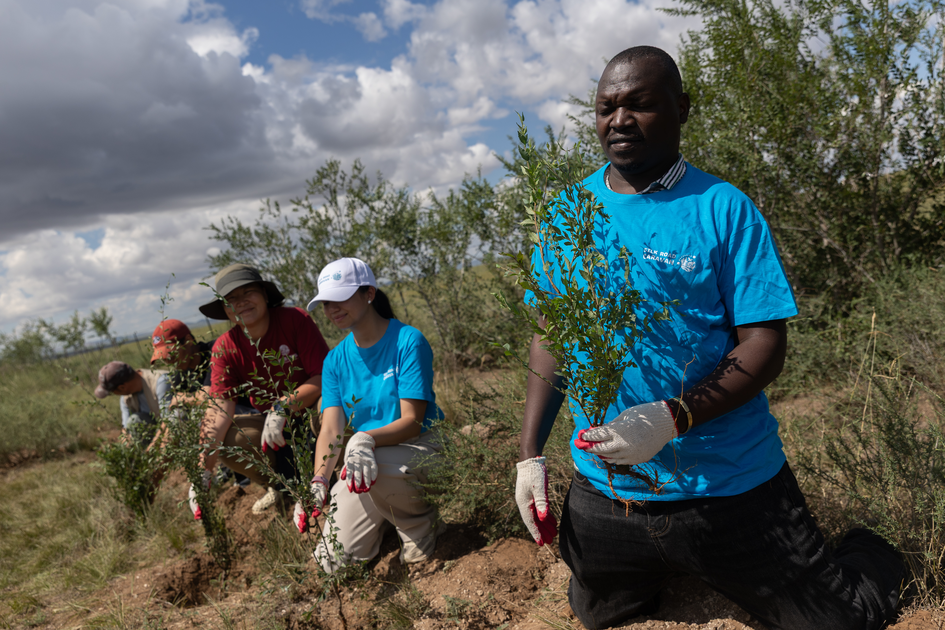
As the Caravan moved east, its team kept changing too, bringing pastoralists, scientists, artists and advocates for different stages of the route, arriving with experience from one rangeland and taking along ideas from another.
“There are several cultures, several religions and several ways of life,” said Moroccan Olympian and UNCCD Sport4Land Champion Asmaa Niang. “But there is one thing we have in common: we are all talking about land.”
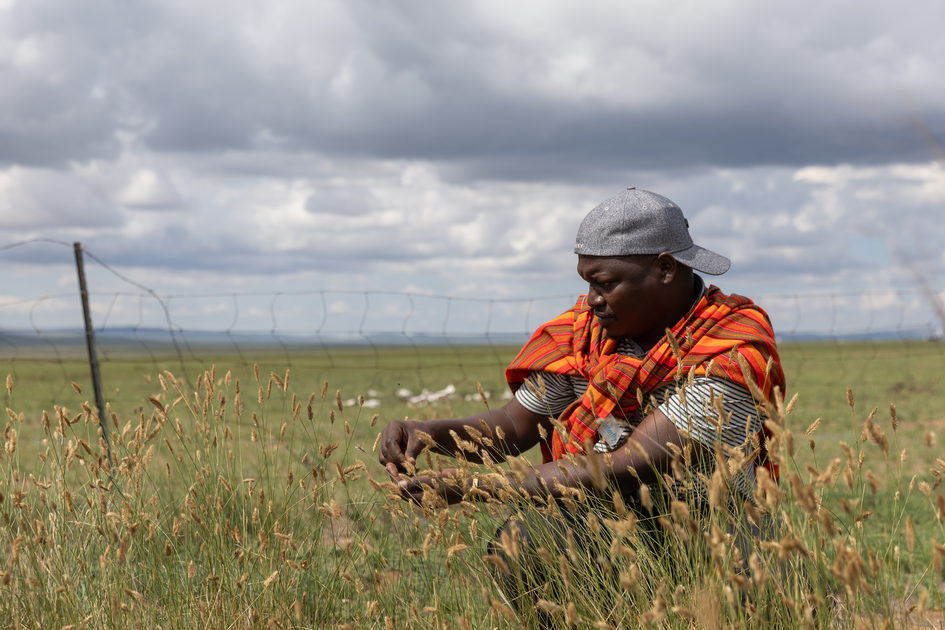
The common ground was the recognition that people separated by thousands of kilometres are facing similar challenges: how to use water that no longer arrives predictably, how to keep grazing within what the land can sustain and how to make a living without gradually exhausting the resource on which their livelihoods depend.
Some of the most transferable answers were often those tested by generations: watching how pasture responds, where water returns, when animals need to move and how long the land needs to rest.
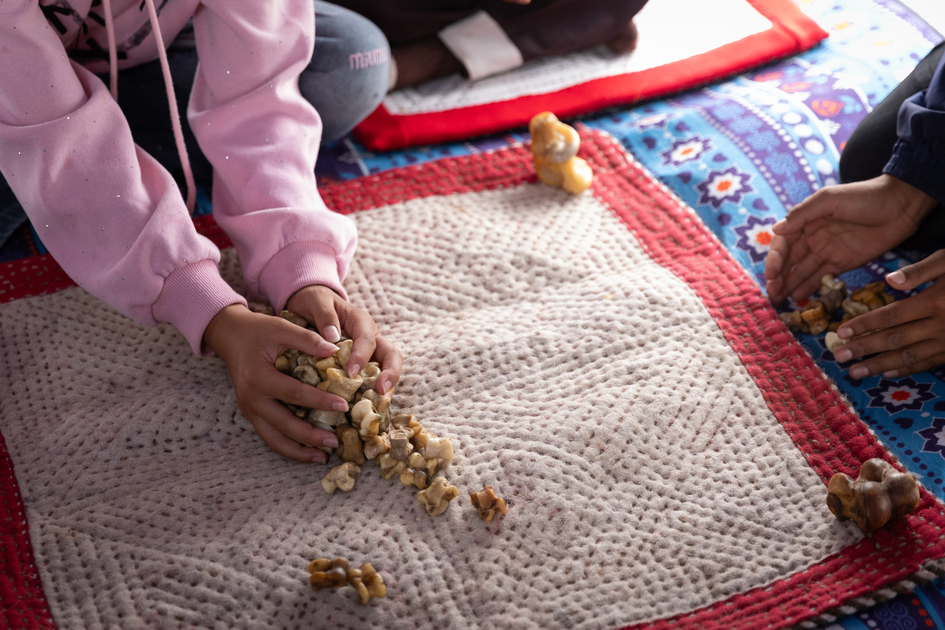
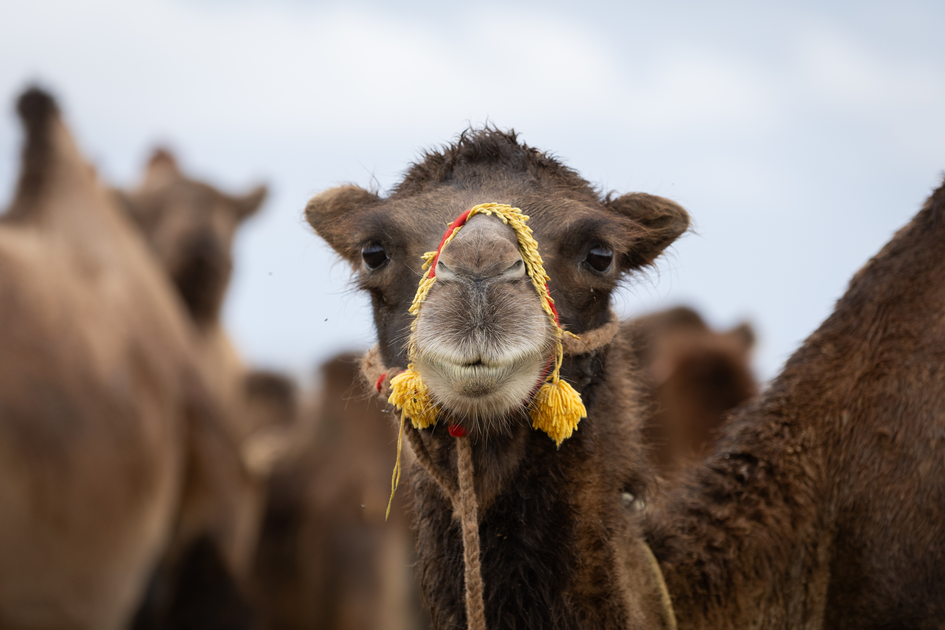
Pastoral mobility is a way of life shaped by centuries of rangelands, people and livestock co-existing. Rangelands are variable by nature: rain falls unevenly and forage and water shift across seasons and landscapes. Moving livestock allows pastoralists to respond to those changes, distribute grazing pressure and leave used pasture time to recover. What may look from outside like constant movement is in fact a highly developed way of working with uncertainty.
That is why COP17 recognized pastoralists as essential stewards of rangeland ecosystems and pastoral mobility, including transboundary mobility where appropriate, as a key strategy for adaptation and resilience. The rangelands decision also called for secure tenure and inclusive governance, greater use of pastoral knowledge and stronger livelihoods with women and youth more fully involved.
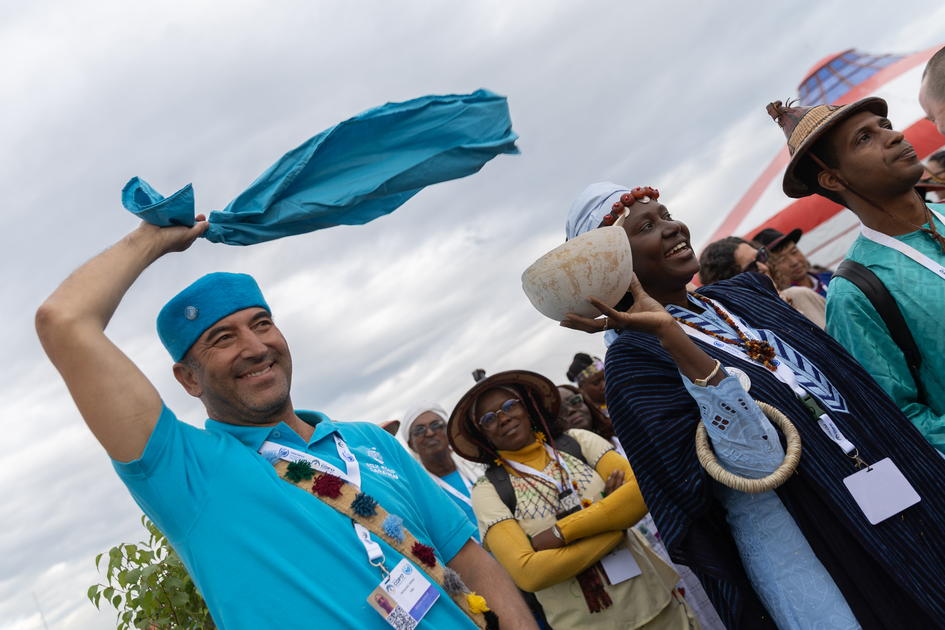
Translated these commitments into action requires finance, institutions and sustained political support.
COP17 launched the Rangelands Flagship Initiative with a portfolio of US$1.2 billion across 45 projects, the largest single mobilization for rangelands in UNCCD the Convention’s history. Yet its success will ultimately be measured locally: in whether land becomes healthier, whether pastoralists can make a better living from it and whether communities have more options when conditions change.
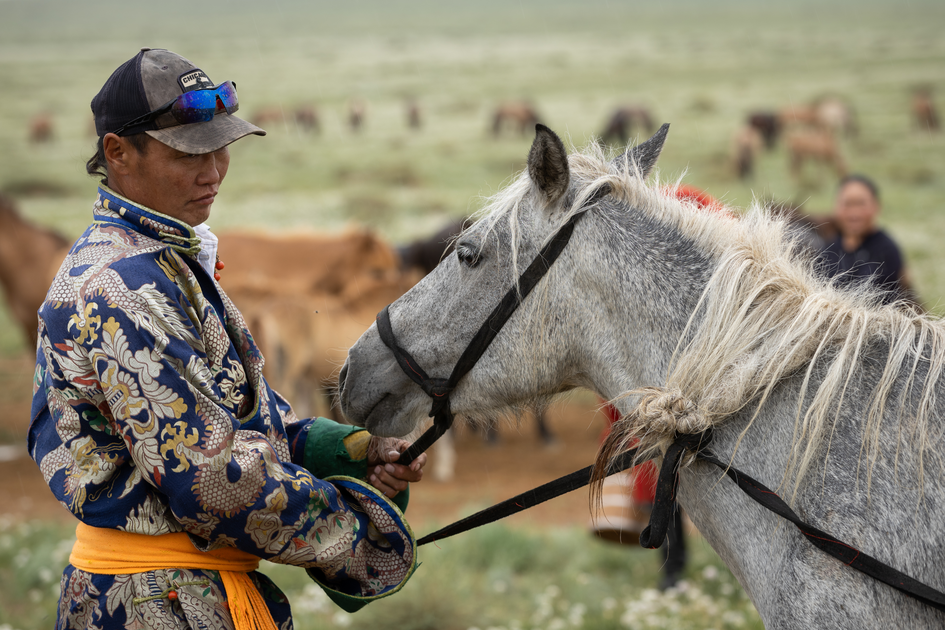
“What I’m taking back home from this journey is a lot of hope, a lot of smiles, incredible memories of people,” said UNCCD Goodwill Ambassador Inna Modja. One reason for that optimism was the determination of young people to build a future in pastoralism.
In Mongolia, Bayanmunkh Torgiral had already made that choice. After graduating in public administration in Ulaanbaatar, he returned to his parents and their livestock. He plans to stay and raise animals, hoping pastoralism will change for the better while retaining the nomadic way of life he chose to come home to.
But devotion to one’s heritage is not enough to make that choice possible. Young pastoralists need access to resources, education, technology and markets, as well as a meaningful voice in decisions over the landscapes they will inherit, so that they have the power to shape the future of sustainable pastoralism.
The Silk Road Caravan 2026 is now complete. It has many possible routes onward, so that new knowledge is passed on, validated, adopted and applied in a new form. Kuluipa Akmatova of Kyrgyzstan imagines the Caravan continuing as a “mobile knowledge bank, living laboratory and shared repository of pastoral knowledge and experience”, linking communities and carrying what they learn into national and global decisions. “
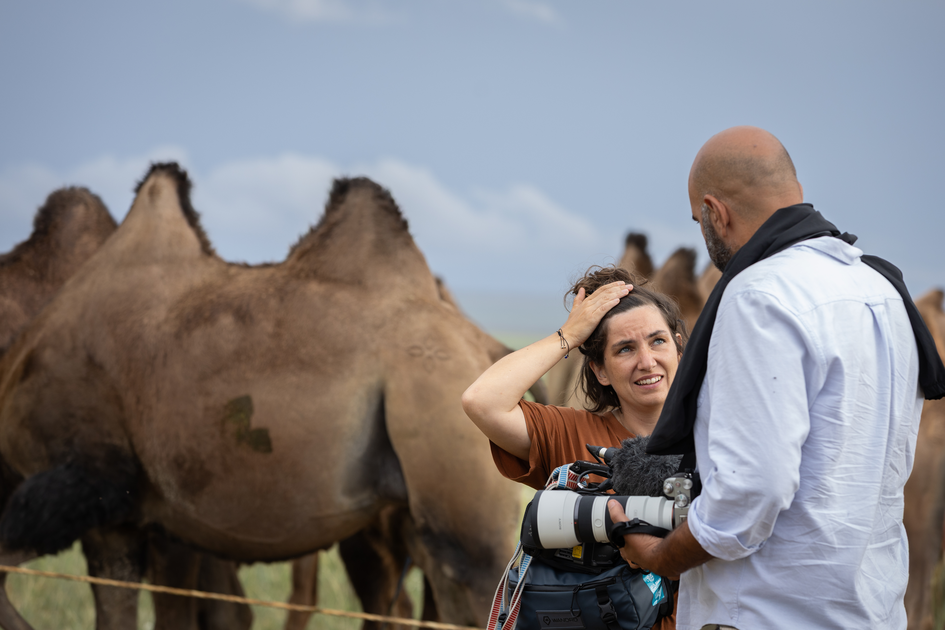
Let us make the Caravan a living platform connecting communities, countries and generations, carrying knowledge forward and turning dialogue into action,” she says.
Tunisian shepherd and poet Adnen Hlali shared a very personal perspective on what will endure after the journey:
Different lands, a common way,
Sharing stories day by day.
One Caravan, one road to roam,
On the Silk Road, we found a home.
Silk Road days, memories to keep;
Friendships woven, lasting deep.
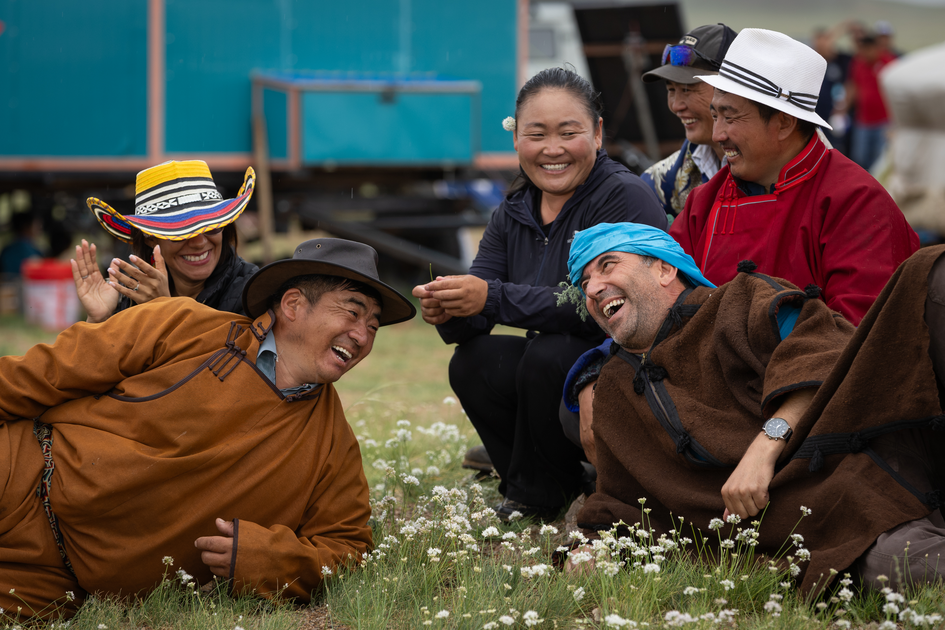
The Silk Road Caravan was made possible through the generous support of its partners and the governments, regional and local authorities, communities and partners who welcomed the journey, shared their knowledge and helped carry it forward.
The 20-minute film Silk Road Caravan: If the Rangelands Could Speak is now available on the UNCCD YouTube channel. The full feature documentary, expected in the spring of 2027, will carry the portraits, landscapes and ideas of the journey to audiences far beyond the Caravan route.
Photos: © UNCCD / Kiara Worth